Self Publishing: Is it Worth it?

Over the last few weeks this question has been dangling over me like a carrot. Self-publishing seems to promise me, readers and full ownership of my book but is it really too good to be true?

This form of publishing is one of the routes I’ve been itching to try all along but often felt like it had a negative stigma attached to it.

I’m currently in between querying my first YA novel and whilst I’ve been spending time writing another book, I’ve noticed a few things about my writing style.

I prefer writing for adults.

I prefer the freedom I have with my audience but it’s made me question what to do with my YA book. I know I would’ve loved reading something like this when I was growing up and if it were successful, I already have a series in mind for it. So, I still want to try and publish my book, but which route is best for it?

Free Reign of Your Book

When I say free reign, I mean it.

Self-publishing allows you to literally do what you want with your book. From editing, to production, to marketing. It’s all yours to play around with. For me the concept of making my book look exactly how I want it to and marketing it in a way I think will work best, is like music to my ears. The more involved I am in my book, the better.

However I know not everyone will see it in this way. It can look daunting to someone who’s never tried to create book covers or market their work before, yet alone if your IT skills aren’t the best. It’s also worth considering the time it would take to get all of this up and running in comparison to getting published the traditional route. It could mean more work on production and marketing your book than writing it.

Publishing Houses v Self-Publishing

Doing all of the work means you’re going to need your novel to stand out from the crowd. This will be full of not only other self published authors but indie presses and publishing houses. Although publishing houses may validate the quality of your writing for some people, that doesn’t mean that everyone will view your writing in this way.

Yes you will instantly have a platform if you’re traditionally published to some extent. However, if you self-publish you can still have a platform. In fact, because it’s your book, you’ll probably spend more time promoting it than a publishing house would, meaning a larger audience overall with possibly more engagement.

The Profits of Publishing.

For some it might come down to the price of publishing. In traditional publishing, the average royalties for a new author can range from 7.5% – 12% depending on experience and genre. In self-publishing however, royalties can range from 35% – 70% according to KDP.

A big difference right?

Before you think it’s a no brainier, don’t forget to look at further details. Each book will have its own amount of VAT and tax and may also incur postage costs too. Not only this but once you’re at the end of the tax year, you’ll have to sort your own finances to ensure you’re not doing tax invasion.

Sound like a faff? Stick with traditional publishing. Not fazed? Then look further into self-publishing.

The Outcome

If these points haven’t fazed you or have even excited you about self-publishing, then I’d recommend taking a closer look into the industry. Hopefully I’ve opened your eyes to some of the nitty-gritty parts of self-publishing that you might not have considered before. Only you know whether it’s worth persevering for.

For me personally? I know my audience engagement would be better online and may attract more YA readers. So for me, I’ll take a closer look into self-publishing and if I gain more readers by self-publishing then so be it. For me, it’s all about the readers when it comes to my writing.
Papier Diary Review

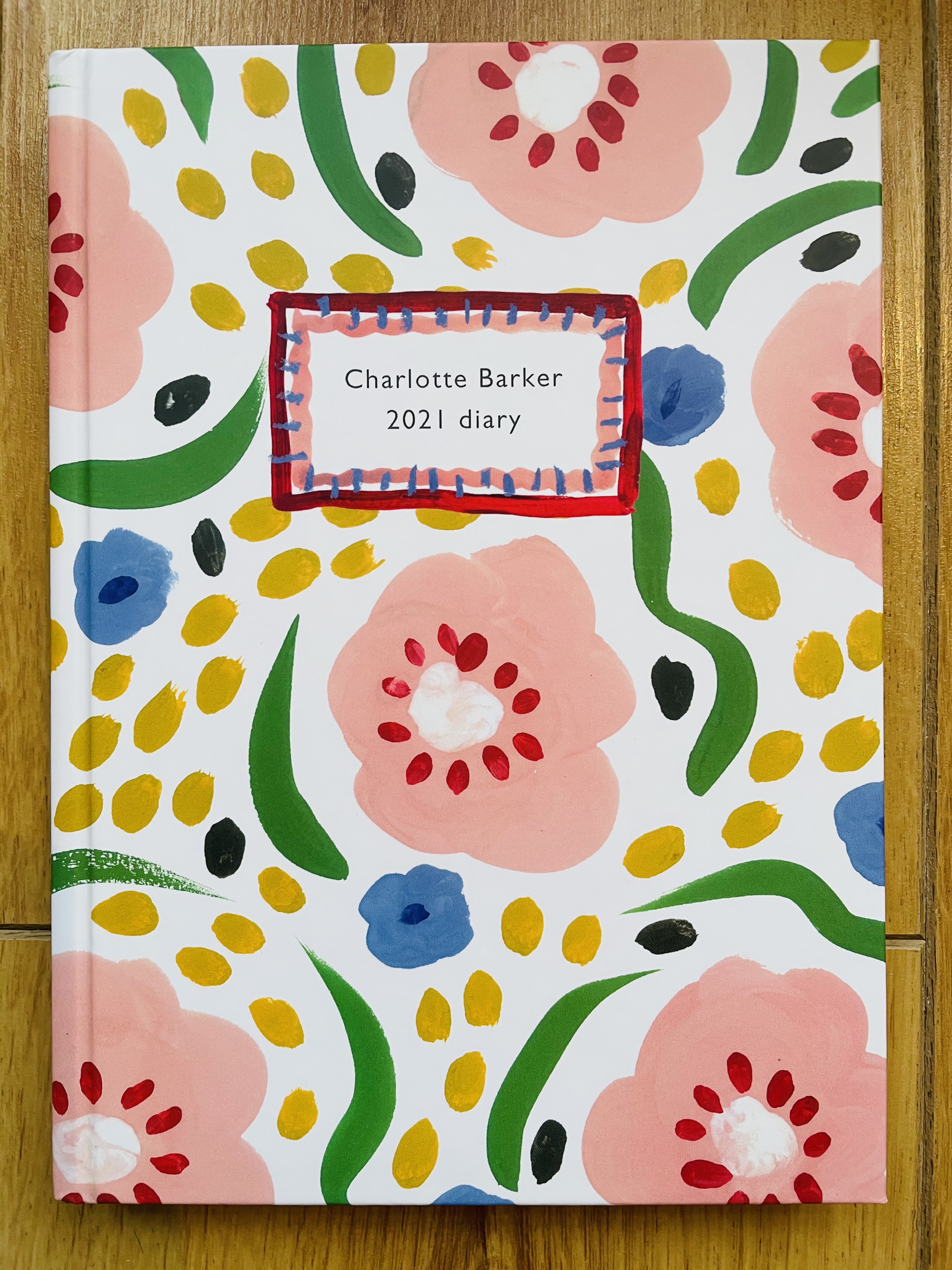
Last week I was so pleased to see a smart stripy parcel slip through my letter box. The packaging itself looks as good as the designs for your stationery. As I began to open the parcel I could feel the enjoyment and anticipation of seeing my personalised design. The little note from Papier is also a nice touch and gives your parcel a more personal appeal.

Although there was no paperback option for my diary, I absolutely love my hardback diary. The matt finish allows the design to speak for itself. The perfect bound makes for a crisp book and allows for a ribbon bookmark to be placed in the diary.

As a writer who primarily uses lined paper, I was anxious at first to write on plain paper. However after really looking at the space given and the type of notes I wish to include within my diary, I don’t think that the blank pages will be a problem.

Each month begins with your goals for the month, a to-do list, important dates and a wish list. This is really handy if you need to see quickly whether it is going to be a hard or busy month. This check up page is also great to spur on your motivation for finishing projects or training for a sport event.

At the beginning of the diary, there is a month to view, for the full year. This makes it incredibly easy to see birthdays, big events and deadlines, without flicking through each page.

At the very end of the diary there are also some lined pages for you to use as you wish.

Although Papier’s diaries have a lot to offer, it has to be personalisation and their designs that I love the most about Papier. I know so many people who have either a name that is spelt slightly different or that have a different cultural name (either from Europe or further afield) that find it difficult to find personalised items. Papier however removes this worry and allows personalisation to anyone who wishes to acquire it.

I also love the design of my diary and I mean love! I am so pleased that Papier give credit to the artists as it allows you to look further into the artist who created your design. My design is by Rachael Cocker and is called Blooms of Joy. After surviving two national lockdowns in the midst of a pandemic, a Bloom of Joy is exactly what I need.

Since the beginning of lockdown I have began writing letters to friends and close relatives to help combat loneliness during this challenging time. Lets hope that they like Papier as much as I do! To have a look at all of their designs visit: www.papier.com and find your own personalised diary for the new year!

Finding Inspiration at Home

Finding Inspiration at Home

With many of us working from home, it can sometimes be tricky to find inspiration in an area in which you have spent months living and working in. Some may even struggle facing their laptop, especially if they have been working on it all day. I have collated a few ideas that will provide you with a new insight into your home and how your daily routine can help you create new plots and develop characters.

Short on Time?

Many of us may be working full-time, home-schooling your children or have caring responsibilities, which can take a lot of time away from your writing. Whenever I am short on time (my teaching breaks are 15 minutes) I try to come up with a Haiku as a snapshot of how my day is going. A Haiku is a 3 line poem, with each line consisting of so many syllables. The structure is as follows:

Line 1 (5 syllables)

Line 2 ( 7 syllables)

Line 3 ( 5 syllables)

I don’t normally write poetry. However I do like puzzles and I feel like a Haiku poem is a mixture of puzzles and writing that fits really well into my short breaks. You may even prefer to write several Haikus to create a longer form of poetry.

Feeling Lonely?

Living on your own or being around the same type of people can be boring and will not be helping your creativity grow. Instead spark your creativity by inviting your characters over. Jot down every detail: How do they knock on the door/ring the bell? Their posture when you open the door – Do they barge past or ask politely to come in? Once they’re in the house/flat, consider which room they’ll go into. Will it be the study, the kitchen, or maybe even the bathroom? Consider all of their actions, from their fidgeting to their manners. This exercise can be a great way to get to know your characters, as their daily actions may impact their decisions within your story.

Writing tip

Looking for New Ideas?

Consider some of the sacrifices and changes you’ve had to make over the last few months. It could be only seeing your friends via an online chat forum, wearing a mask on public transport or only leaving the house once a day. Once you have a list of these, consider a genre of your choice. This could be any or a mixture of both. When you have decided on the genre/genres you wish to write about, have a look at your changes/sacrifices and try to write a scene in that genre. For example:

If you were writing a crime/thriller novel, your friend might think they’ve left the online chatroom when they haven’t and a crime is committed for the reader to witness?

Perhaps a man in a drive-thru has fallen for the barista who gives him his coffee on a daily commute? Maybe it was the look in their eyes, beyond the mask…

Remember, the possibilities here are endless!

Have a go yourself and see what you come up with.

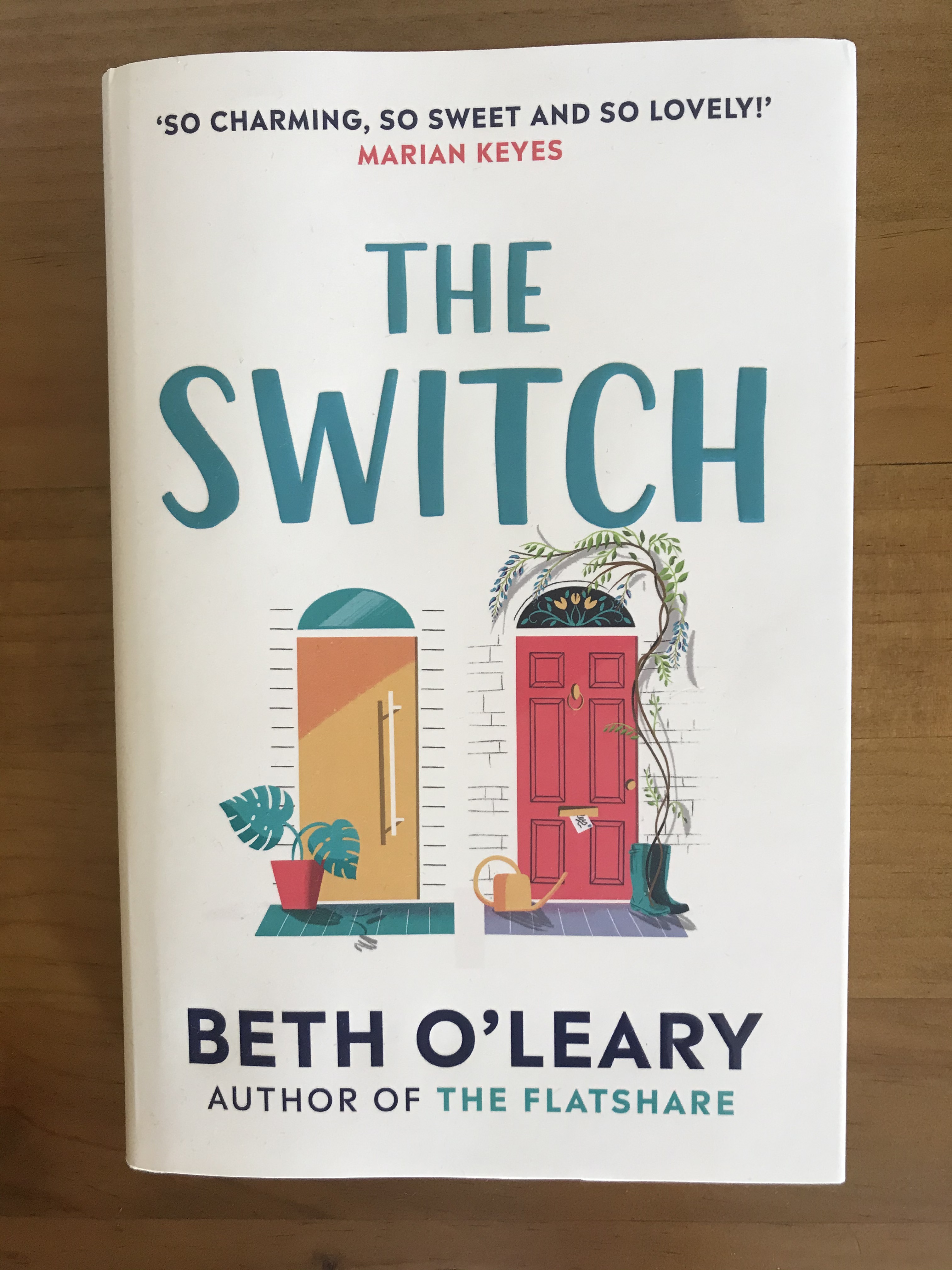
The Switch by Beth O’Leary

The Switch By Beth O’Leary, Hardback, 323 pages, £12.99, Waterstones

Beth O’Leary’s The Switch was released on 16th April and has had a whirlwind of reviews since. The Switch is based around two female characters, Leena and Eileen. After they both go through a difficult time, they decide to switch houses for a change of scenery and to reconnect with themselves. The novel itself is split over London and the Yorkshire Dales which gives the reader a sense of urban and country life. Although this is slightly different from her previous novel, The Flatshare, there are many good qualities that run through both of her books.

IMG_9598

Characterisation

One element that the reader really can acknowledge with The Switch is the fullness of O’Leary’s characters. There are so many characters used, each with their own distinct personality, that it is easy for the reader to relate these characters to people they may know. I’m pretty sure every reader will have lived next to the grumpy man next door or know of a friend who is gorgeous, but has a list down to her arm of qualities a man must have. The amount of depth that O’Leary goes into with her characters is admirable, especially as every single character is so distinctive. It is clearly evident that her characterisation within The Switch is what captivates the audience and propels them through the story.

Family

The concept of family and a sense of belonging is a recurring theme that allows the reader to join Leena and Eileen’s family along the way. At times you may find yourself comparing their family to your own, as you may have shared those many bumps along the road yourself. The family unit in The Switch interprets some areas that may be perceived as unconventional and representing them as the new modern family unit. The support and union can still be seen but feels as if it has almost had a fresh lick of paint to make it seem more realistic.

Reflection

Reflection is also a significant element to the book as so many decisions are left open at the beginning of the novel. It is up to you as a reader to pick up the pieces of this family and to reconnect the dots again. By doing this however, you will begin to reflect on your own life and consider what it is that you want yourself. Admittedly, this book was read during lockdown and time for reflection seems much easier to acquire. However The Switch does make the reader question their own choices and what they define as important to them.

Overall I found this novel an uplifting read in a different way to The Flatshare. Admittedly I found the humour a lot stronger in The Flatshare, however I was looking for a laugh and I found it. The Switch on the other hand is still humorous, but has a more family focused approach. I found Eileen in this novel particularly amusing, especially through the contrast of livelihood and personalities.  I would argue that I felt like I received more closure towards the end of The Switch in comparison to O’Leary’s previous novel, as I felt that the ending was more uplifting and felt like the novel had a strong sense of purpose.

As cliché as this sounds, The Switch isn’t normally a novel I would go for but as I enjoyed The Flatshare so much, I had to give this a read. Since reading both of O’Leary’s books I feel like I have found a new author that I wouldn’t have even encountered, if I had not stepped out of my comfort zone a little. For that, Beth O’Leary, I thank you. I strongly encourage any other readers to step outside your comfort zone and do the same. Who knows, you may surprise yourself!

If anyone would like to purchase the book, I have included a link at the top of my page. Although I managed to buy this in Tesco (the closest I could get to a bookshop), I would strongly recommend purchasing the book at Waterstones through the link above. The link will locate you to a signed copy of this book. At the moment it’s the same price as a regular hardback version of The Switch (if I’d known about this, I would have totally bought this book first!).

Happy Reading!